Understanding the Environmental Impact of Excavation: A Guide by Veteran Land Management Feb 08, 2026
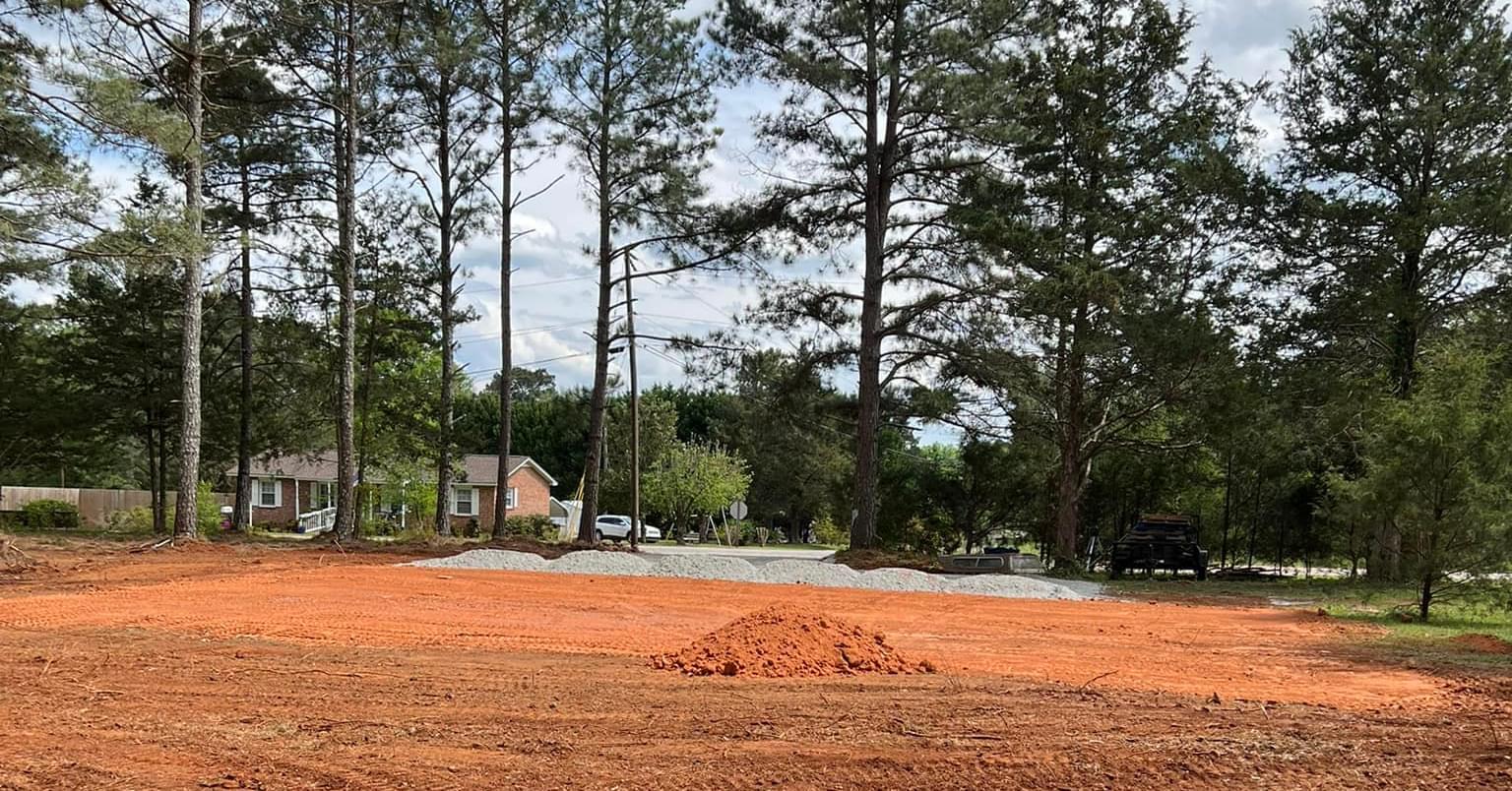
The primary purpose of excavation is to remove earth to make room for construction, access utilities, or prepare land for agriculture. While these activities are necessary, they can disturb the natural environment in several ways. One of the most significant impacts is soil erosion. When soil is disturbed, it becomes more susceptible to being washed away by rain or wind. This can lead to sedimentation in nearby waterways, negatively affecting aquatic life and water quality.
Another environmental concern associated with excavation is habitat destruction. Many sites slated for construction are home to various species. Excavation can disrupt these habitats, leading to loss of biodiversity. It’s vital for companies like Veteran Land Management to conduct thorough environmental assessments before breaking ground to identify and protect critical habitats.
Land contamination is also a potential issue. During excavation, pollutants from construction equipment and materials can seep into the ground, contaminating soil and groundwater. This contamination can have long-lasting effects on local ecosystems and human health. Therefore, it’s essential to implement stringent controls on site to prevent pollution.
Recognizing these impacts, Veteran Land Management prioritizes sustainable excavation practices. One effective strategy is to incorporate erosion control measures. By using techniques like silt fences, sediment basins, and vegetation buffers, we can significantly reduce erosion and sedimentation.
Preserving local ecosystems is another focus. Before any project, we conduct detailed surveys to assess the presence of protected species and habitats. By avoiding key ecological areas or creating buffers, we can minimize habitat disruption. Moreover, wherever feasible, we implement land reclamation techniques post-excavation to restore vegetation and natural landscapes.
Reducing diesel fuel emissions from construction equipment is also part of our sustainability strategy. We invest in state-of-the-art machinery that is energy-efficient and equipped with advanced filtration systems to reduce emissions. Additionally, planning and sequencing our operations efficiently helps in minimizing equipment idling time, further reducing air pollution.
Education and training of our team are vital components of our environmental management plan. Our staff are routinely trained in best practices for sustainable excavation, ensuring they are well-equipped to handle complex environmental challenges on site. Community collaboration is also key. Open communication with local stakeholders allows us to address environmental concerns and tailor our approaches to suit specific community needs.
In conclusion, while excavation has undeniable environmental impacts, companies like Veteran Land Management can implement responsible strategies to mitigate them. Through careful planning, sustainable practices, and community engagement, we contribute to a more environmentally-conscious construction industry. By understanding and respecting the natural environment, we can ensure a balance between development and ecological preservation.
For more information or to discuss your next project with a focus on sustainability, contact Veteran Land Management today. Our team is committed to delivering exceptional excavation services that respect both your needs and the environment.
/filters:no_upscale()/filters:format(webp)/media/12c3771a-9ca9-40b2-950b-33bf7ace8ed2.jpeg)